Mastering the Pitch Over Water: Clear Hazards with Confidence
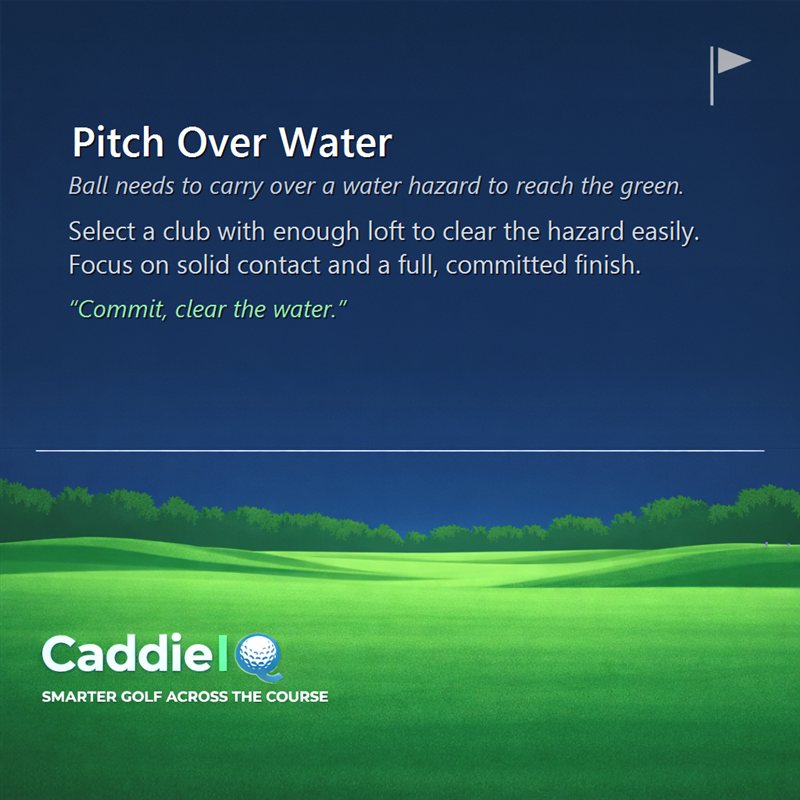
Every golfer knows that heart-sinking feeling: your ball sits perfectly, but between it and the green lies a shimmering expanse of water. The dreaded pitch over water. It’s a shot that can either make or break your score, often more due to mental blockers than technical skill. But with the right approach and a confident swing, you can turn this intimidating challenge into a scoring opportunity.
Why Pitches Over Water Go Wrong
The primary reason golfers struggle with pitches over water isn't a lack of ability, but a lack of commitment. Fear of the hazard often leads to deceleration through impact, resulting in a thin, skulled shot that dives into the water, or a fat shot that barely reaches the bank. Other common culprits include choosing a club with insufficient loft, trying to "scoop" the ball up, or simply focusing too much on the water itself rather than the intended landing spot. Your brain interprets the water as a threat, triggering a defensive swing rather than an offensive one.
The Fix: Mastering Your Pitch Over Water
Conquering this shot is all about confidence and execution. Here’s a step-by-step guide to ensure your ball flies safely to the green:
-
1. Assess the Situation Thoroughly
Before you even think about swinging, accurately gauge the carry distance required to clear the water, and the distance to your desired landing zone on the green. Consider any wind conditions that might affect ball flight.
-
2. Club Selection: Loft is Your Friend
This is crucial. Don't be a hero trying to hit a low-lofted club high. Opt for a club with ample loft – your Sand Wedge (SW), Lob Wedge (LW), or even a high-lofted Pitching Wedge (PW) if the carry is shorter. The goal is to easily clear the hazard, not just barely scrape over it. More loft means a higher trajectory and softer landing, reducing the risk.
-
3. Setup for Success
Adopt a slightly open stance, with your feet aimed a touch left of the target (for a right-handed golfer). Position the ball slightly forward of centre in your stance. Your weight should favour your lead foot (around 60%), and your hands should be slightly ahead of the ball. This setup promotes a downward strike, essential for solid contact and spin.
-
4. The Committed Swing: "Commit, Clear the Water"
This is your mantra. Take a smooth, unhurried backswing. The key is to accelerate through the ball, not at it. Maintain your weight on your lead side and feel like you're covering the ball. Visualise the ball soaring over the water and landing softly. Your finish should be full and balanced, with your chest facing the target. There's no room for hesitation or quitting on this swing. A proper strike means hitting the ball first, then taking a shallow divot.
Practice Drill: The "Invisible Water" Drill
To build confidence away from the course, try this on the practice range:
- Place an alignment stick or a small towel on the ground about 10-15 yards in front of you. This is your "water hazard."
- Select your chosen wedge.
- Practice hitting pitches over your "hazard," aiming for various distances beyond it.
- Focus intently on maintaining your lead-side weight, accelerating through the ball, and achieving that full, committed finish.
- The goal is to consistently clear your imaginary hazard with ease and land the ball where you intend.
Conclusion
Mastering the pitch over water is more than just a technical skill; it's a mental game. By selecting the right club, setting up correctly, and committing fully to your swing, you'll transform a potential disaster into a routine shot. Remember to practice these principles regularly. For optimal club selection and strategic advice on any hole, CaddieIQ can be an invaluable tool, helping you gain the confidence needed to tackle any hazard with precision.
Related tips
Get this kind of advice on every shot
CaddieIQ is your free AI golf caddie - instant club & shot advice, swing fixes and a daily tip.
Try CaddieIQ free